

Which Composites Are Best for Mining Drones?
Last Updated: November 15, 2026
Quick Summary
The best mining drone composites are carbon fibre laminates chosen to match the load case, typically 12K biaxial ±45° fabric for shear and torsion, with unidirectional or tube reinforcement along arms. Mining drone composites should also balance stiffness-to-weight ratio, damage tolerance and repairability for dusty, rough-terrain survey work.
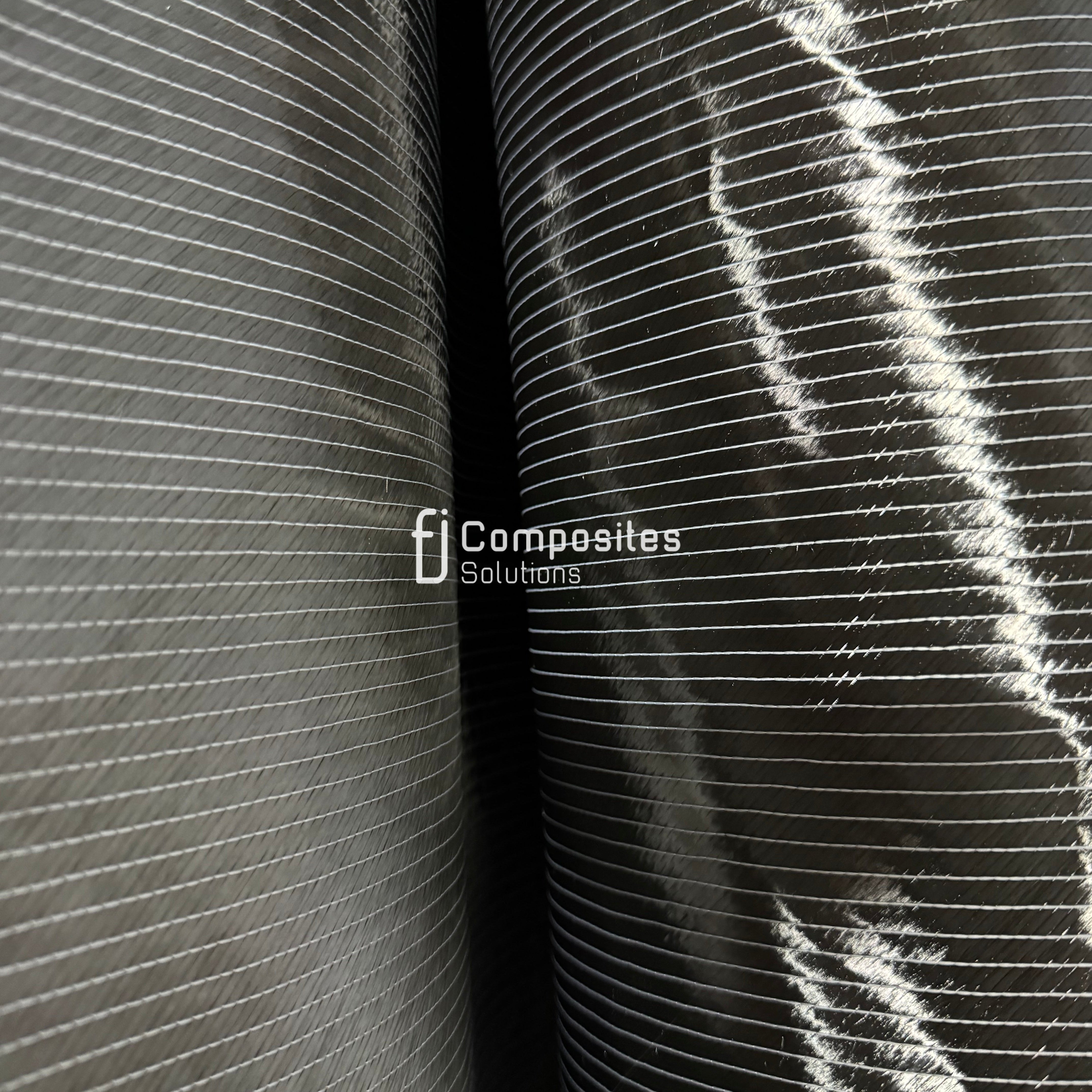
- 12K biaxial ±45° fabric is listed at 250 to 350 g/m², suited to shear and torsion loads.
- 12K unidirectional fabric at 200 g/m² suits single-axis boom loads.
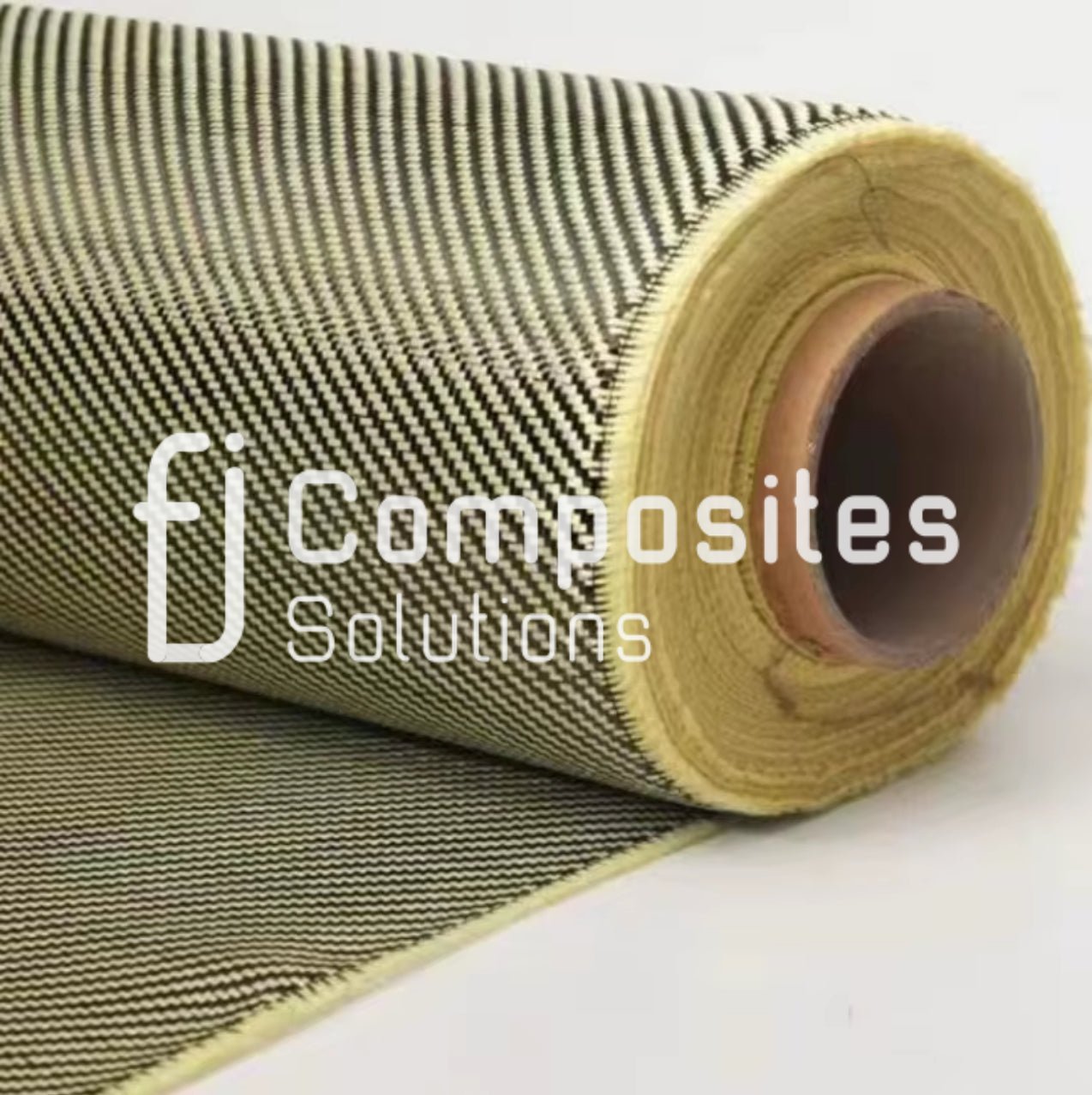
- Hybrid carbon-Kevlar twill adds impact resistance for skids and leading edges.
- Biaxial skin with tube or UD along the arm is the usual starting layup for heavy sensor booms.
- Inspect joints and arms by flight hours, since laminate fibre damage can progress unseen.
Table of Contents
- How We Evaluated the Composites in This List
- Quick Comparison: Weight, Durability and Cost by Material
- The Best Drone Composites for Mining, Ranked
- Designing for Vibration Resistance and Sensor Payloads
- Maintaining Carbon Composites in Dust, Heat and Rough Terrain
- Choosing the Right Composite for Your Next Mining Survey Drone
- Frequently Asked Questions
Choosing the right composite for a mining drone frame decides how long the airframe survives dust, heat and rough landings, and how much payload it can carry, so every mining drone composites decision matters. Survey managers and geophysicists weigh weight against stiffness, and the material choice shapes flight time, sensor stability and maintenance costs. This guide looks at composite materials suited to mining drone builds, matching fabric and tube type to the loads your aircraft will see.
A composite is a reinforcement fibre set in a resin matrix. The fibre carries the load; the resin holds the fibres and transfers force between them. Fibre orientation matters as much as fibre type: a fabric laid at ±45° resists shear and torsion, while a unidirectional layer carries load along a single axis. Most mining frames need both, which is why the list below mixes fabric architectures rather than naming one "best" material.
Mining survey platforms fly long legs over uneven ground, then land on gravel and rock. The frame sees motor vibration, hard-landing shock, and torsion when the boom twists under a heavy sensor payload. The wrong layup usually shows up as cracked joints or sensor drift, not an outright failure on day one.
Two things drive the decision: stiffness-to-weight ratio, which determines how much flight time goes to the sensors rather than the structure, and damage tolerance, which determines whether a rock strike leaves a scratch or a fractured arm.
How We Evaluated the Composites in This List
We compared each material on four criteria: weight per square metre, fibre grade and weave, best-suited load case, and cost per linear metre in our catalogue. Figures are drawn from product listings.
We also considered how each material handles the practical problems survey teams raise: vibration, dust exposure, and repair in the field. Where a listing did not state a property, we have said so rather than filling the gap.
Quick Comparison: Weight, Durability and Cost by Material
| Material | Weight | Weave / Fibre | Best load case | Price from |
|---|---|---|---|---|
| 12K Biaxial ±45° (250gsm) | 250 g/m² | 12K biaxial | Shear and torsion | $59.95/linear m |
| 12K Biaxial ±45° (300gsm) | 300 g/m² | 12K biaxial | Heavier frame loads | $63.99/linear m |
| 12K Biaxial ±45° (350g/m²) | 350 g/m² | 12K biaxial | High-torsion parts | $64.95/linear m |
| 12K Unidirectional (100cm) | 200 g/m² | 12K UD | Single-axis boom loads | $39.95/linear m |
| 3K Carbon Fabric 0°/90° | 300 g/m² | 3K bidirectional | General laminates | $49.95/linear m |
| 3K Twill Carbon Cloth (2x2) | 200 g/m² | 3K twill | Arms and panels | $379.50/linear m |
| 3K Hybrid Carbon-Kevlar Twill | 200 g/m² | 3K hybrid twill | Impact resistance | $46.95/linear m |
| 3K Twill Tubes (1000mm) | Tube | 3K twill | Arms and booms | $21.95 |
| 3K Twill Tubes (2 x 500mm) | Tube | 3K twill | Short arms and struts | $10.95 |
| 8x8 Grid Spread Tow (200gsm) | 200 g/m² | Spread tow grid | Visible finish, light panels | $49.95/linear m |
Prices are the starting prices listed in our catalogue. The 3K Twill Cloth figure is listed per linear metre at a higher price point than the other fabrics, so confirm width and roll length on the product page before budgeting.
Price from per linear metre by composite material (AUD)
The Best Drone Composites for Mining, Ranked
Most mining drone buyers choose an aircraft, not a fabric in isolation, and composite construction is one of several factors that determine whether that aircraft survives a mine site. The shortlist below compares third-party platforms commonly discussed for mining survey work, using general criteria such as airframe construction, payload capacity and endurance.
| Platform | Airframe construction | Typical payload | Endurance (approx.) | Mining fit | Field repairability |
|---|---|---|---|---|---|
| SenseFly eBee X | Expanded polypropylene foam core with carbon spar and composite skin | Up to 1.5 kg | Up to 90 min | Fixed-wing mapping of pit and stockpile surfaces | Foam and spar replacement; limited field repair of composite skin |
| WingtraOne GEN II | Carbon fibre composite airframe with VTOL rotors | Up to 2.5 kg | Up to 55 min | Large-area topographic mapping and stockpile volumes | Modular arms and wings; factory repair for composite damage |
| DJI Matrice 350 RTK | Carbon fibre frame and arms | Up to 2.7 kg | Up to 55 min | Inspection, thermal and LiDAR payloads around pit walls and plant | Arm and frame parts are replaceable; composite repair is limited |
| Quantum-Systems Trinity F90+ | Carbon composite fuselage and wings | Up to 2.5 kg | Up to 90 min | Corridor and pit mapping with VTOL convenience | Wing and tail sections replaceable; composite repair at service centre |
| Freefly Alta X | Carbon fibre booms and plates | Up to 15 kg | Up to 30 min | Heavy LiDAR and magnetometer payloads | High parts availability; booms and plates are user-replaceable |
How to read the table. Payload and endurance figures are typical published figures and vary with battery, payload and conditions. Treat them as a shortlist starting point, not a guarantee. The mining fit column reflects the missions each platform is most often used for, not a claim that one aircraft is best for every site.
Designing for Vibration Resistance and Sensor Payloads
Vibration is the quiet problem in mining drone composites design. Motor and rotor frequencies travel through the frame into the sensor mount, and a magnetometer or LiDAR unit will report noise if the structure rings. Stiffer members on well-damped joints reduce transmitted vibration.
When you specify a layup, use biaxial fabric to hold the frame square and tube or UD to set stiffness along each arm. Confirm stiffness with a bench test on the assembled frame before fitting the sensor, because a layup that looks correct on paper can still ring at the motor frequency.
Watch out: a sensor mount bonded directly to a thin skin can transfer vibration straight into the payload, so add a stiffening rib or isolating mount before you fly a survey.
Maintaining Carbon Composites in Dust, Heat and Rough Terrain
Carbon composites tolerate fine dust and heat well, but still need routine inspection on a mine site. Abrasive grit wears surface resin, and repeated hard landings can crack a joint that looks sound from outside. Check arm joints, skid mounts and panel leading edges after every few flights for resin whitening, lifted fibres or dull scuffed patches.
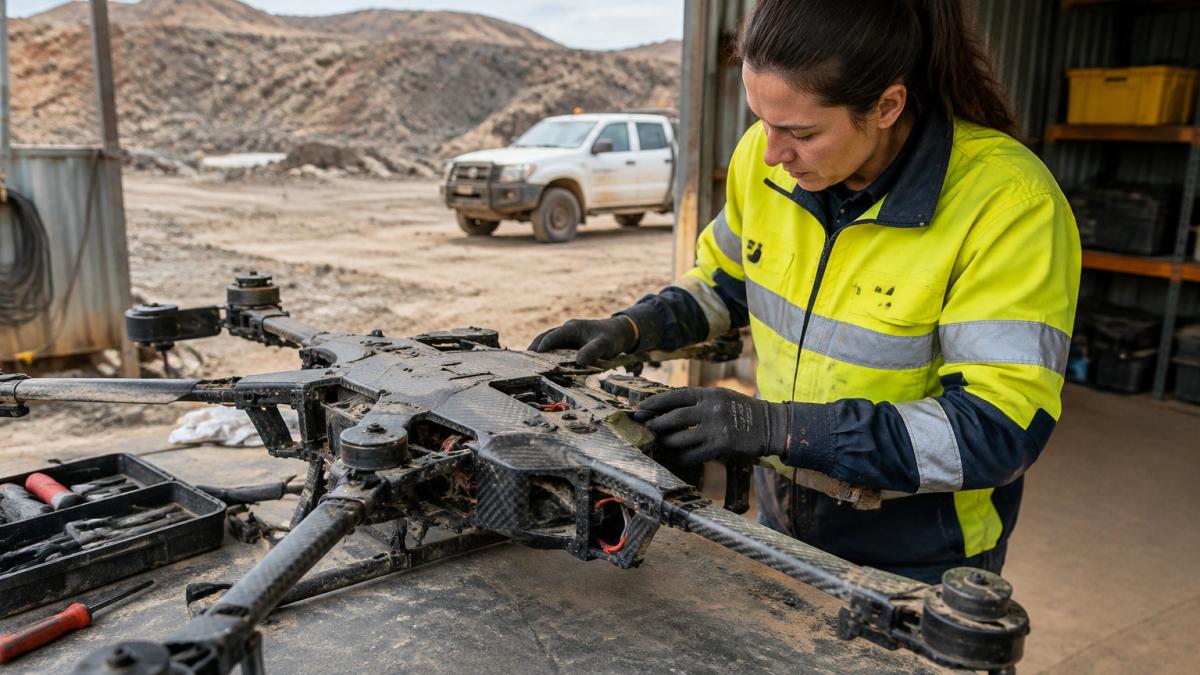
A practical routine: wipe down the frame after each day in dusty conditions, store it covered and out of direct sun, and keep a spare boom section on site so a damaged arm can be swapped in minutes. Repairs to carbon laminates usually use matching fabric and compatible resin, so keep a small stock of the same material used on the original frame.
Common mistake: teams often wait for a visible crack before inspecting. Fibre damage inside a laminate can progress well before the surface shows it, so schedule inspections by flight hours rather than by appearance.
Choosing the Right Composite for Your Next Mining Survey Drone
Choosing a composite for a mining drone is a lifecycle decision, not a one-off purchase. Batteries, payloads, repairs, software, training and downtime can outweigh the frame cost, and the composite choice affects several of those lines.
Start with the load case, then the mission profile. If your boom carries a heavy sensor pod and sees strong torsion, a biaxial ±45° skin with unidirectional or tube reinforcement along the arm is the usual starting point. If impact risk is the priority, a hybrid carbon-Kevlar laminate on skids and leading edges adds toughness at a small weight penalty.
Compare total cost of ownership, not purchase price. A realistic budget for a mining survey platform includes:
- Airframe and spares. Buy at least one spare arm and one set of skids on day one. A frame repairable in the field returns to service faster than one waiting for factory repair.
- Batteries. Packs are a recurring cost and degrade with heat and cycle count. Budget for replacement packs over the service life, plus charging equipment and site power.
- Payloads and sensors. LiDAR, thermal and multispectral sensors can cost more than the aircraft. Confirm the airframe's payload capacity and vibration characteristics suit the sensor before you buy.
- Software and data processing. Photogrammetry and point-cloud processing licences are a recurring cost, and some platforms bundle processing while others do not.
- Training and accreditation. Operating a drone for mining survey work in Australia requires compliance with the civil aviation safety framework; check the current requirements with the Civil Aviation Safety Authority. Training and compliance are real budget lines.
- Repairs and downtime. Composite repair can be a field task or a service-centre task depending on the airframe. Downtime during a survey campaign has a cost beyond the repair bill.
Match the composite to the payload. Airframe construction and payload capacity are linked. A stiff carbon frame with well-damped joints reduces vibration transmitted to a magnetometer or LiDAR unit, which improves data quality. A flexible or lightly built frame may carry the payload weight but degrade sensor performance.
Plan for repairability and end of life. Ask three questions before you buy. Can a damaged arm or skid be replaced in the field with hand tools? Are replacement parts available in Australia with a predictable lead time? And what happens to the composite airframe at end of life?
Check the practical limits. Confirm width and roll length on each fabric product page, because a fabric too narrow for a panel means extra joins and weak seams. Make sure any resin is compatible with the fibre system.
A worked comparison. Take two platforms with similar payload capacity. One has a sealed composite fuselage with factory-only repair; the other has replaceable carbon arms and a field-serviceable frame. The second may cost more upfront, but over a three-year campaign the first platform's downtime and repair logistics can outweigh the saving.
If you are unsure which combination suits your payload and site, contact the FJ Composites team with your sensor weights, boom lengths and mission profile, and we will help you match the layup to the load.
Ready to specify your mining drone frame? Get in touch with FJ Composites for materials matched to your payload and boom geometry.
Frequently Asked Questions
What composite materials are best for mining drones?
For mining drones, carbon fibre composites are usually the first choice because they offer the best strength-to-weight ratio, which matters most when flight time and payload both count. Biaxial carbon fabrics at ±45° resist shear and torsional loads, while unidirectional or twill carbon suits arms and booms. Hybrid carbon-Kevlar adds impact toughness where frames may strike rock or equipment. FJ Composites supplies several of these materials, including 12K biaxial fabric and 3K twill tubes.
Is carbon fibre or glass fibre better for a mining drone frame?
Carbon fibre is generally stiffer and lighter than glass fibre, so it holds alignment for sensors such as LiDAR and magnetometers and preserves more flight time per kilogram of structure. Glass fibre is less costly and can be more forgiving under impact, which may suit lower-budget or high-knock applications. For most survey work over long distances, carbon fibre gives better performance per kilogram, while hybrids can balance stiffness and toughness.
How do dust, heat and vibration affect drone composites?
Fine abrasive dust can wear resin surfaces and get into joints, heat softens resins and reduces stiffness, and sustained vibration can cause fatigue and micro-cracking around fixings. Good practice is to keep composite surfaces sealed, check bonded joints after each deployment, and monitor for delamination. Material choice, resin system and fastener design all influence how well a frame tolerates these conditions.
Can damaged carbon fibre drone frames be repaired?
Minor surface damage and small delaminations can often be repaired by trained personnel using compatible resins and carbon fabric patches, though structural load-bearing members should be assessed before return to service. Severely cracked or crushed sections are generally better replaced. Keeping spare fabric and tubes on hand, such as 500mm or 1000mm carbon tubes from AUD 10.95, reduces downtime when a component needs replacing.
